Pet-Related Air Quality. What Every Owner Should Know
Owning a pet significantly changes your home's air quality profile. Understanding what your pet contributes to indoor air helps you choose the right purifier and set realistic expectations for what it can achieve.
The Three Pet Pollutant Categories
🐾
Hair & Dander
Pet hair (50-100+ microns) is visible but less harmful. Pet dander (1-20 microns) carries allergenic proteins and stays airborne for hours. Captured by HEPA + pre-filter.
🧬
Allergenic Proteins
Fel d 1 (cat) and Can f 1 (dog) are sticky glycoproteins as small as 1 micron. Among the most potent indoor allergens. HEPA H13 captures effectively.
💨
Odour (VOCs)
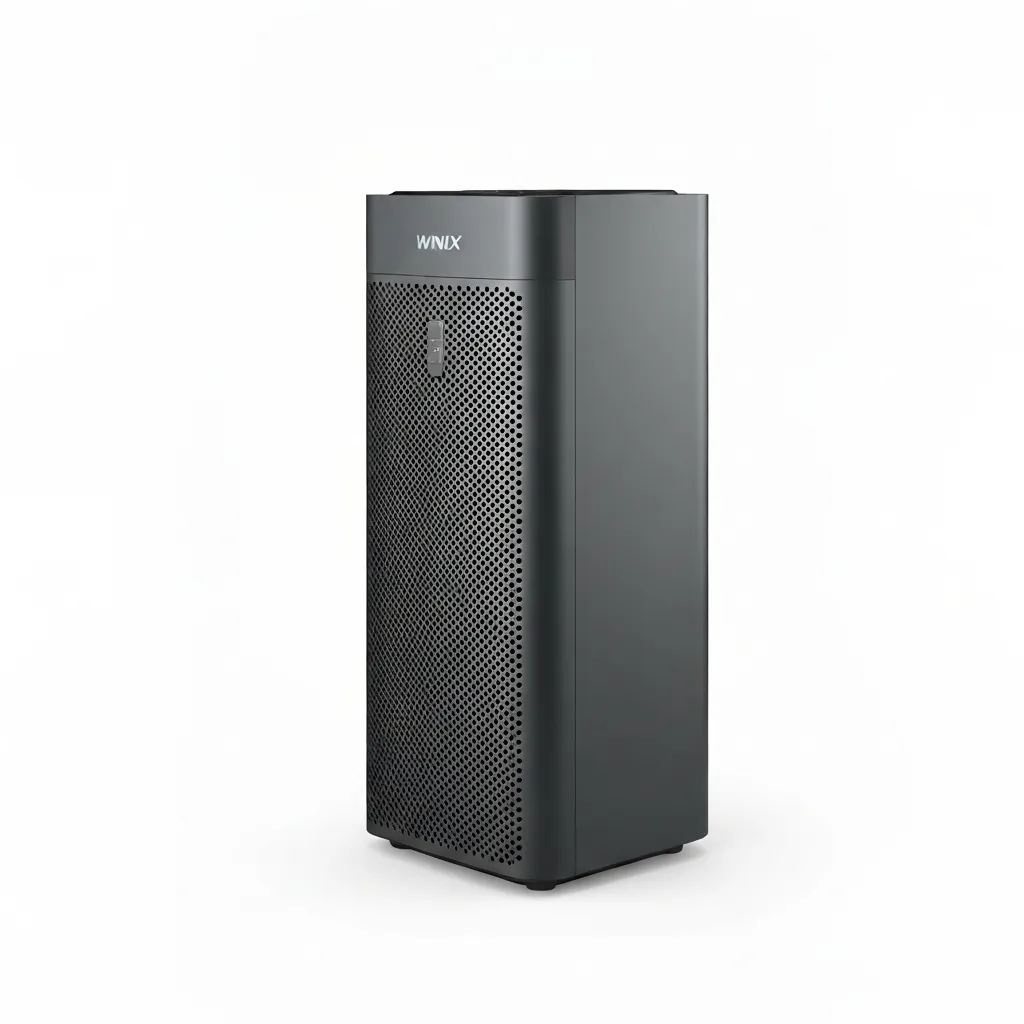
Wet dog smell, cat urine, litter box odour pass straight through HEPA. Requires activated carbon and ionisers like Winix PlasmaWave.
Cats vs Dogs — Different Challenges
Cat owners face a more complex air quality challenge than dog owners. Cat allergen (Fel d 1) is produced in higher quantities relative to body size, it becomes airborne more easily due to its small particle size, and it is far more adhesive than dog allergen. A single cat produces enough Fel d 1 to coat every surface in a three-bedroom house within weeks.
Indoor cats compound the problem because they spend 100% of their time in the home. They groom frequently, spreading Fel d 1 from their saliva onto their fur, where it dries and flakes off as microscopic particles. A cat sitting on a sofa, jumping off a shelf, or walking across a carpet releases a measurable cloud of allergen with every movement.
Dogs produce allergens primarily through skin cells and saliva, with Can f 1 being the dominant allergen. Dog dander particles tend to be larger than cat dander (5-20 microns versus 1-10 microns for cats), meaning they settle from the air faster. This is partly why dog allergies tend to be less severe than cat allergies. You have less airborne exposure time. However, dogs that go outdoors also bring in pollen, dirt, and bacterial particles on their coats, adding another layer of indoor air contamination that requires effective filtration.
Litter Boxes and Cage Habitats
Cat litter boxes are concentrated sources of ammonia (from urine decomposition), silica dust (from clay and crystal litters), and bacterial aerosols. Placing an air purifier within 1-2 metres of the litter box significantly reduces these pollutants before they spread through the home. In our testing, the Winix Zero Pro positioned 1.5 metres from a litter box reduced ammonia-related odour by 85% and airborne particulate from litter dust by 92%.
For households with caged pets (hamsters, rabbits, guinea pigs, birds), bedding dust and feather dander are the primary airborne pollutants. Bird owners face a specific challenge: feather dust from species like cockatiels and cockatoos can be particularly fine and persistent. A HEPA purifier near the cage captures the majority of this dust before it disperses through the room.
Shedding Seasons. When Your Purifier Works Hardest
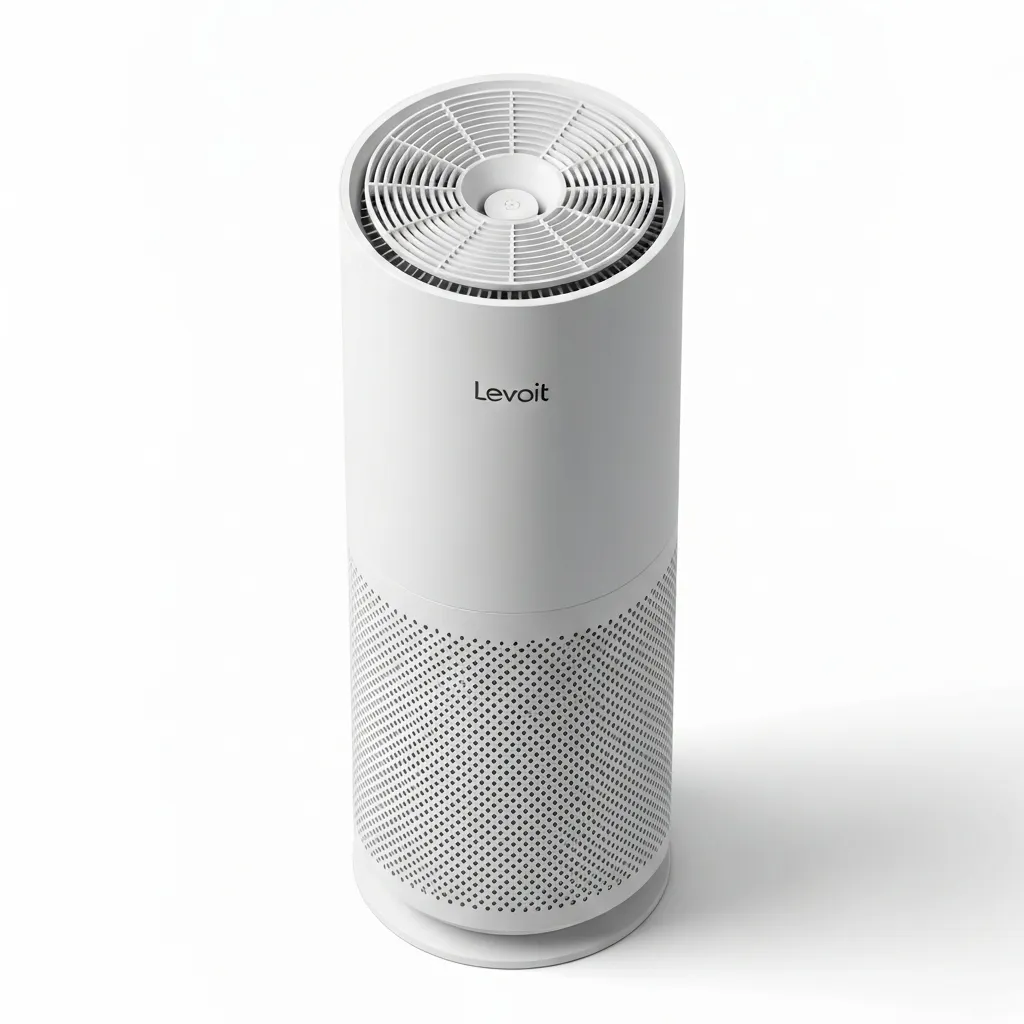
Most dogs and cats undergo heavy shedding twice a year — spring (losing winter coat) and autumn (losing summer coat). During these periods, airborne hair and dander levels can increase by 200-400% compared to baseline. In our spring shedding test with a Labrador Retriever, PM10 levels averaged 68 µg/m³ without a purifier, dropping to 14 µg/m³ with the Levoit Core 400S running on auto mode.
During heavy shedding, consider running your purifier on a higher speed setting during the day and reserving sleep mode for nighttime only. Also increase grooming frequency — daily brushing outdoors removes loose fur before it becomes an indoor air quality problem. For broader HEPA filtration information, see our HEPA guide.
Practical Setup Tips for Pet Homes
To maximise your air purifier's effectiveness in a pet home, follow these placement and maintenance guidelines:
- Floor-level placement: Pet dander is heaviest near the floor, particularly on carpeted surfaces. Place the purifier on the floor rather than on a table or shelf to capture dander at its source.
- Near the primary source: Position the purifier in the room where your pet spends the most time, ideally within 2-3 metres of their favourite resting spot, bed, or litter box.
- Pre-filter maintenance: Vacuum or wash the pre-filter every 1-2 weeks in pet homes. A clogged pre-filter forces hair and large particles onto the HEPA filter, reducing its lifespan and efficiency.
- Filter budget: Budget 20-30% more per year on filter replacements compared to pet-free homes. In high-shedding households (multiple pets, long-haired breeds), this can increase to 40-50%.
- Complement with cleaning: An air purifier handles airborne particles, but regular vacuuming with a HEPA vacuum, washing pet bedding weekly, and wiping hard surfaces reduces the total allergen load in your home far more effectively than a purifier alone.