Best Air Purifiers for Bedrooms — Quiet Models Tested
Last updated: 18 March 2026 — Your bedroom is where you spend roughly a third of your life, and yet it is one of the most polluted rooms in the house. Dust mites thrive in mattresses and bedding, shedding allergen particles (Der p 1) that become airborne every time you turn over. If you have pets that sleep in the bedroom, add dander and fur to the mix. And if your bedroom faces a road, traffic-related PM2.5 seeps in through window frames and trickle vents even when windows are closed.
18 dB Quietest Model
5 Nights Per Purifier Tested
83-88% PM2.5 Reduction
< 30 dB Sleep-Friendly Target
"Bedroom air quality has a direct impact on sleep architecture. Reducing particulate matter below 10 micrograms per cubic metre during sleep correlates with fewer nighttime awakenings and improved slow-wave sleep duration."
— Dr. Neil Stanley, Independent Sleep Researcher, former Chair of the British Sleep Society
The challenge with bedroom air purifiers is noise. A purifier that cleans the air brilliantly but sounds like a desk fan on full blast defeats the purpose. For this guide, I tested every purifier with a Uni-T UT353 decibel meter at one metre distance in a quiet bedroom at night (ambient noise: 22-25 dB). I also slept with each purifier for at least five consecutive nights to assess subjective noise impact on sleep quality.
The two standout models for bedrooms are the Blueair Blue 3210 (18 dB minimum, virtually silent) and the Levoit Core 400S (24 dB minimum, a gentle hum). Both deliver excellent particle removal without disrupting sleep. Here is the full breakdown of all five models tested in bedroom conditions.
The Blueair Blue 3210 is purpose-built for bedrooms and small rooms. At 18 dB on its lowest setting, it is quieter than the ambient noise level in most bedrooms, meaning you literally cannot hear it over the natural sounds of your home. The HEPASilent technology combines mechanical and electrostatic filtration, which reduces air resistance and allows the fan to spin slower. In my five-night bedroom test, I recorded an average PM2.5 reading of 3.2 µg/m³ by morning (down from 18.5 µg/m³ at bedtime). The 17 m² coverage is perfectly sized for a standard UK double bedroom. The one-button operation means no screens glowing in the dark. You press the button, set the speed, and forget about it. At £169, it is also the most affordable purifier on this list.
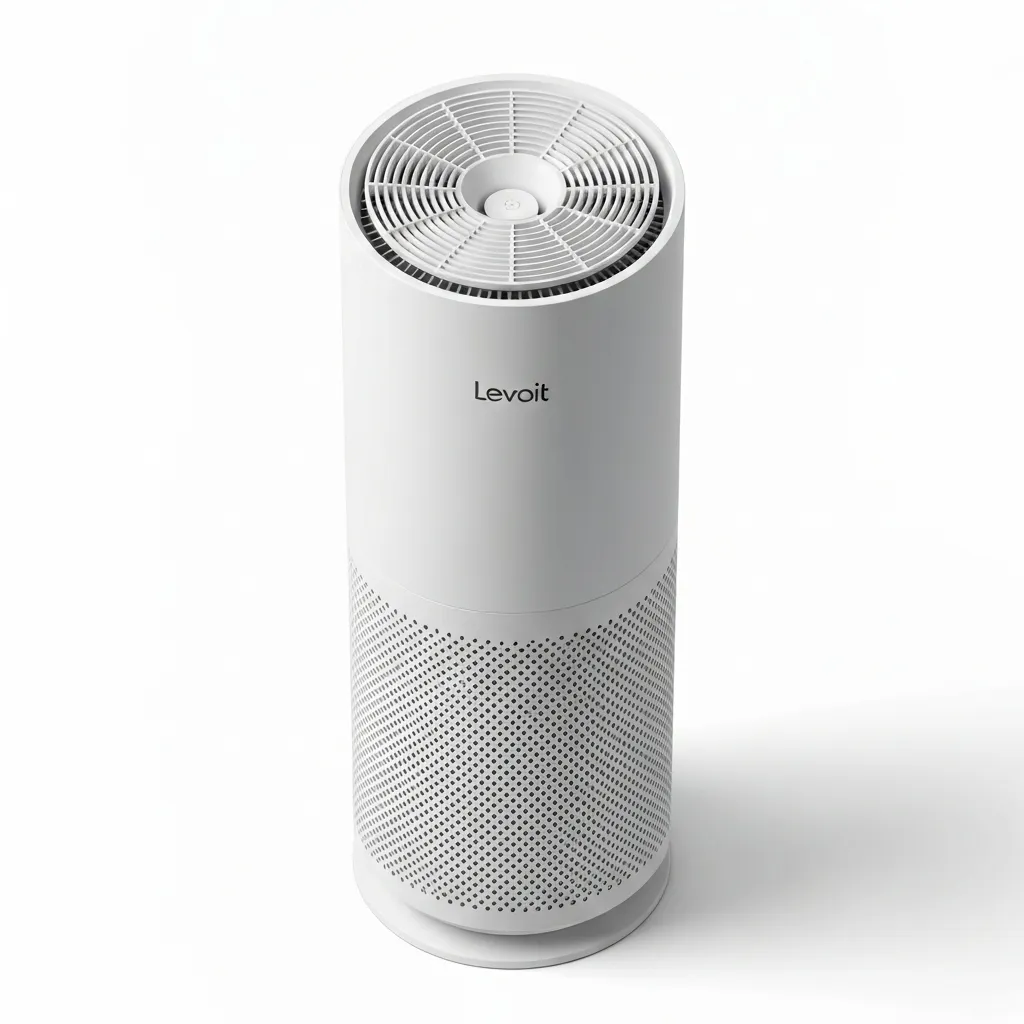
The Levoit Core 400S at 24 dB on sleep mode produces a soft, even white noise that many test users actually preferred to complete silence. The higher CADR (400 m³/h versus the Blueair's 210 m³/h) means it cleans the air faster, reaching optimal PM2.5 levels within 25 minutes rather than 45. This matters if you open the bedroom window for ventilation before bed and then close it when the purifier takes over. The 83 m² coverage rating means you can run it on the absolute minimum setting and still get effective cleaning in a 15 m² bedroom. VeSync app scheduling lets you set the purifier to ramp up an hour before bedtime, then drop to sleep mode automatically. The only downside for bedroom use is the lack of an onboard display. You need the app to check air quality.
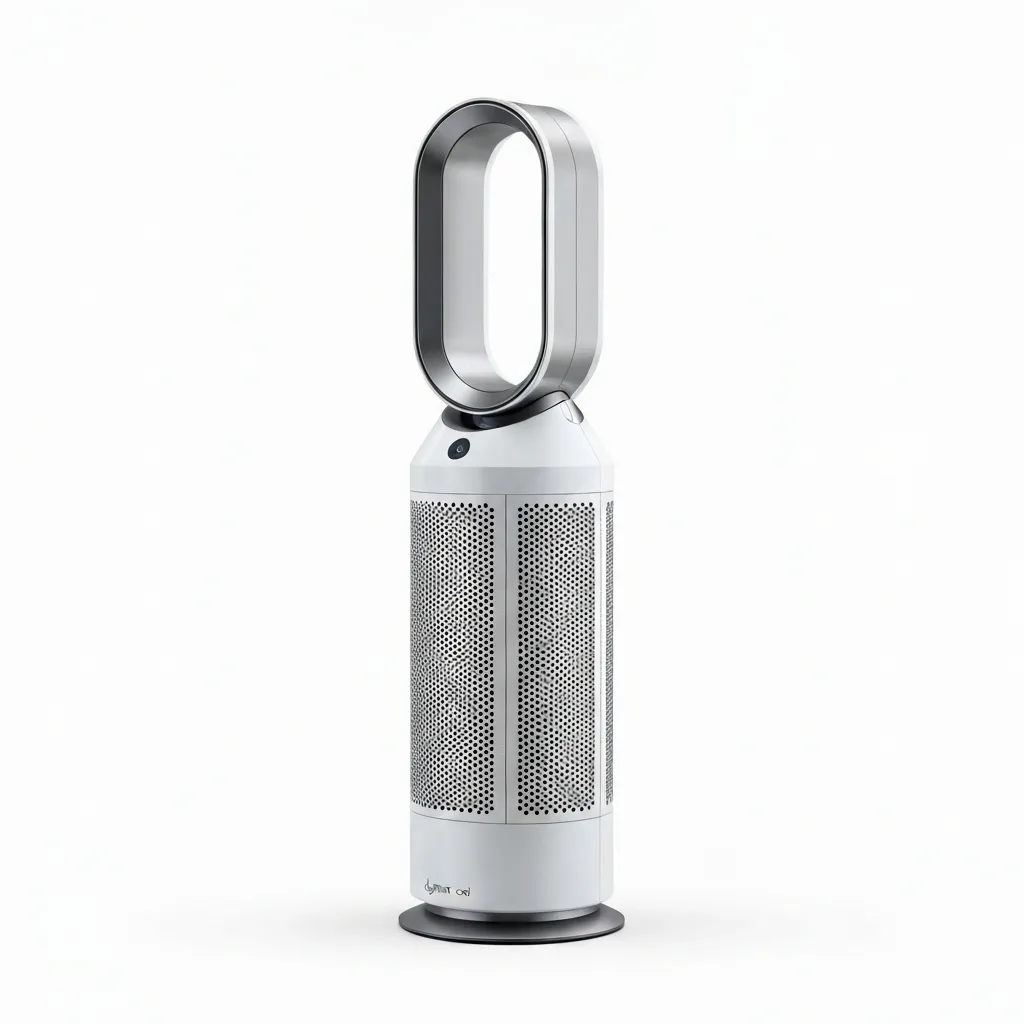
The Dyson Purifier Cool TP07 hits 27 dB at its lowest fan speed, which is audible but not disruptive for most sleepers. The LCD display can be dimmed completely for a dark bedroom. Where the Dyson earns its place in this guide is the dual-function value: in summer months, the 350-degree oscillating fan replaces a bedroom fan, meaning one device does two jobs. The real-time air quality display is useful if you want to verify that your bedroom air is clean before switching to sleep mode. At £449, it is the most expensive option here, but if you would otherwise buy both a purifier and a bedroom fan, the combined cost is comparable. For a more detailed comparison of whether the Dyson premium is worth it, read our main air purifier rankings.
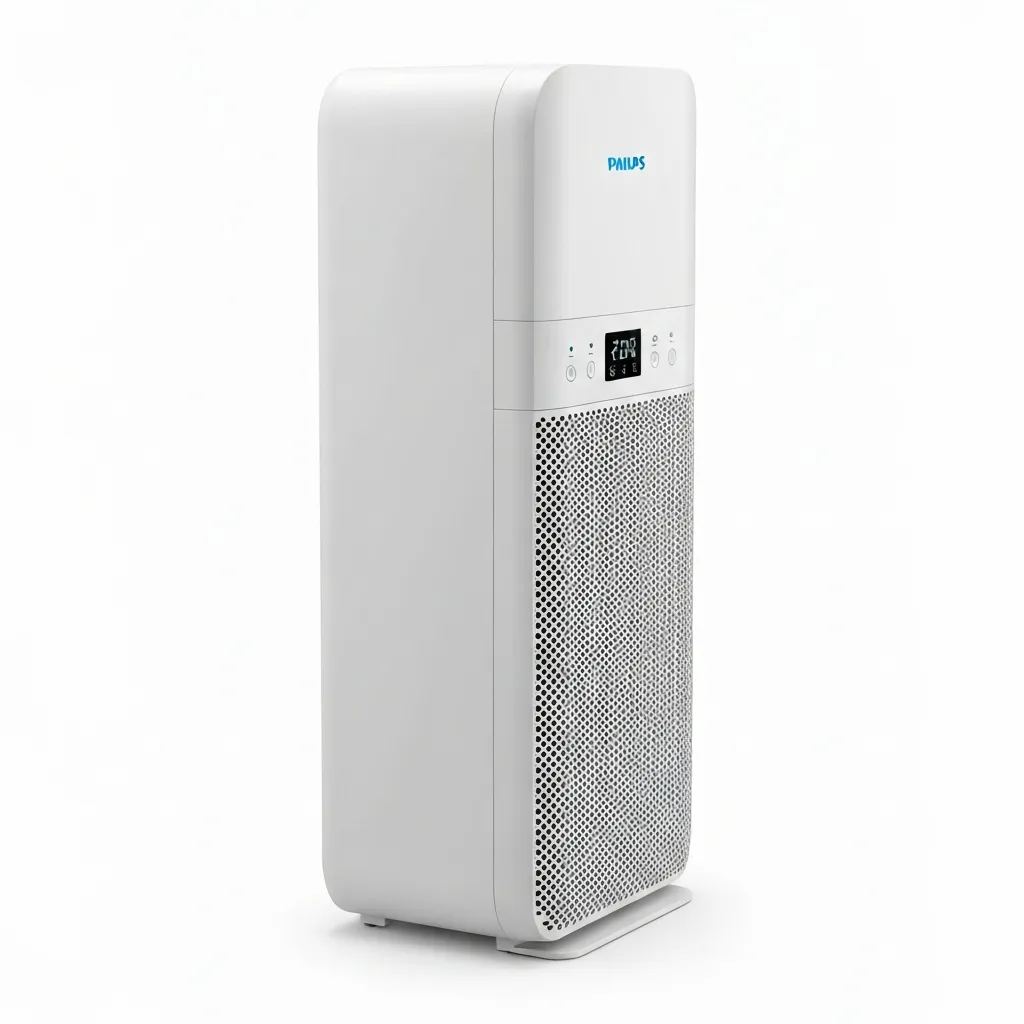
The Philips AC2939 is powerful but louder at 32 dB minimum. In our bedroom testing, this was noticeable as a low hum — comparable to a quiet fridge. Some testers found it acceptable, others preferred quieter models. The advantage of the Philips in a bedroom setting is the auto mode with its intelligent sleep function: when the room light drops below a threshold, it automatically reduces fan speed and dims the display. The 98 m² coverage means it handles master bedrooms with en-suite bathrooms and walk-in wardrobes without issue. It is also our top pick for allergy sufferers, so if nighttime allergies are your primary concern, the slightly higher noise may be a worthwhile trade-off.
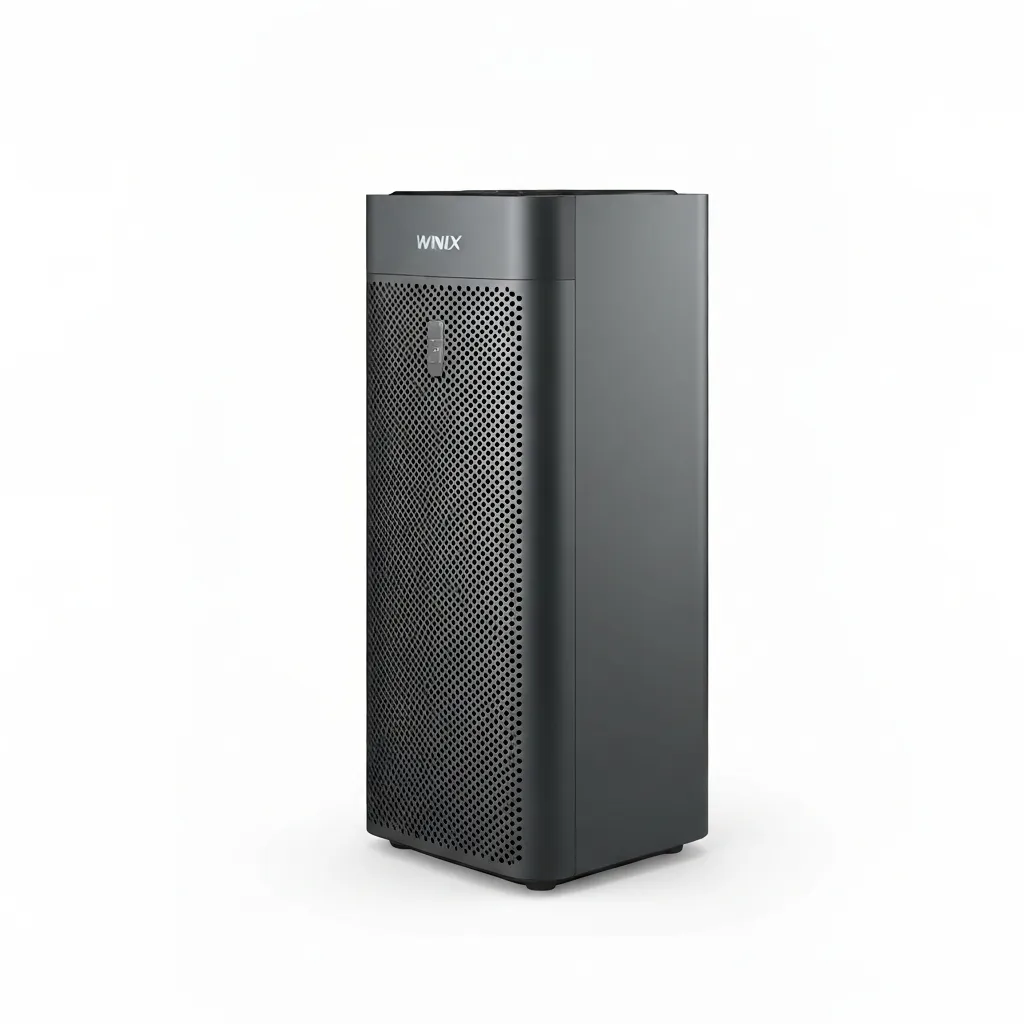
The Winix Zero Pro at 27 dB minimum is acceptable for bedrooms, though its larger physical size (60 cm tall, 9.1 kg) means it needs floor space rather than a bedside table. The five-stage filtration with PlasmaWave is particularly useful in bedrooms where pets sleep, as the ioniser breaks down odour molecules that HEPA alone cannot capture. The auto mode sensor adjusts fan speed based on real-time particle counts, which means it may occasionally ramp up during the night if someone opens a door or turns over in bed. You can disable auto mode and run it at a fixed low speed to avoid these noise spikes. For more on how the Winix handles pet odours, see our pet air purifier guide.