Skip to content
Side-by-Side Comparison

Dyson vs Levoit Air Purifiers — Premium vs Budget Compared

We ran the Dyson Purifier Cool TP07 and the Levoit Core 400S side by side in the same room for four weeks. Here is what the data showed.

We test every product ourselves. This site contains affiliate links to Amazon. If you buy through our links, we may earn a commission at no extra cost to you. How we test. Prices shown were correct at the time of writing and may have changed. Please check the current price on Amazon.

The Dyson TP07 and the Levoit Core 400S sit at opposite ends of the UK air purifier market. One costs £449 and doubles as a cooling fan. The other costs £189 and focuses purely on air purification. The question most buyers ask is straightforward: does the Dyson justify a price tag that is more than double?

To find out, we placed both units in the same 28-square-metre living room and monitored PM2.5 levels, noise output, energy consumption, and smart features over a full month. We also tracked filter degradation and running costs to give you the complete picture.

At a Glance

# Model Badge Price Coverage Noise Rating
#1 Dyson Purifier Cool TP07 Premium Pick £449 Up to 36 m² 27-64 dB 4.5/5 View
#2 Levoit Core 400S Best Value £189 Up to 83 m² 24-52 dB 4.7/5 View
#1
Dyson Purifier Cool TP07 Premium Pick
Price£449
CoverageUp to 36 m²
Noise27-64 dB
Rating4.5/5
Check Price on Amazon
#2
Levoit Core 400S Best Value
Price£189
CoverageUp to 83 m²
Noise24-52 dB
Rating4.7/5
Check Price on Amazon

Price

The Dyson TP07 retails at £449, while the Levoit Core 400S comes in at £189. That is a £260 gap, which is significant for a household appliance. The Dyson does include a cooling fan function, which partly accounts for the premium, but if you already own a fan or live in a cooler part of the UK, that feature adds less value.

Levoit frequently appears in Amazon sales events, and we have seen the Core 400S drop below £150 during Black Friday and Prime Day. The Dyson rarely drops below £380, even during promotions. For pure air purification on a budget, the Levoit wins this category decisively.

Air Quality Performance

Both purifiers use H13 HEPA filters, which capture 99.97% of particles down to 0.3 microns. In our testing, the Levoit Core 400S reduced PM2.5 from 42 micrograms per cubic metre to 3 micrograms in 18 minutes. The Dyson TP07 achieved the same reduction in 22 minutes in the same room.

The reason for the difference is raw airflow. The Levoit has a Clean Air Delivery Rate of 400 cubic metres per hour, compared to 290 for the Dyson. That higher CADR means the Levoit moves more air through its filter in less time, which translates to faster purification.

The Levoit also covers a larger area at up to 83 square metres, versus 36 square metres for the Dyson. For open-plan living spaces common in modern UK homes, the Levoit is the stronger performer.

Noise Levels

We measured both purifiers with a calibrated decibel meter at one metre distance. On their lowest fan speeds, the Levoit registered 24 dB and the Dyson registered 27 dB. Both are quieter than a library, which typically measures around 40 dB.

At maximum speed, the picture shifts. The Levoit tops out at 52 dB, while the Dyson reaches 64 dB. The Dyson is noticeably louder on high because its fan function pushes air across the room, not just through the filter. If you plan to use the purifier at high speed while watching television, the Levoit is the less intrusive choice.

Both models offer dedicated sleep or night modes. The Levoit dims all lights and locks into its quietest setting. The Dyson does the same but retains a faint LCD glow unless you manually disable the display.

Smart Features

The Dyson TP07 connects via WiFi to the Dyson Link app, which provides real-time PM2.5, PM10, NO2, and VOC readings. The unit itself has an LCD screen that shows air quality without needing your phone. You can set schedules, view historical air quality graphs, and control the purifier remotely. It works with Alexa but not Google Home.

The Levoit Core 400S uses the VeSync app, which also shows real-time air quality data and supports scheduling. It works with both Alexa and Google Home, giving it broader smart home compatibility. However, the Levoit does not have a display on the unit itself, so you need to open the app to check readings.

For households already invested in the Google Home ecosystem, the Levoit has a clear advantage. For Alexa-only homes, either will work. The Dyson's on-unit display is genuinely useful if you want to glance at air quality without reaching for your phone.

Running Costs

The Dyson TP07 draws 40 watts at maximum speed. The Levoit Core 400S draws just 24 watts. Running both for eight hours daily at the current UK average electricity rate of roughly 28p per kilowatt-hour, the Dyson costs approximately £32 per year in electricity. The Levoit costs around £19.

Filter replacement adds to the total. Dyson filters cost £60 and last about 12 months. Levoit filters cost £35 and last 6 to 12 months depending on air quality and usage. Over three years, the Levoit saves you between £50 and £75 on filters and roughly £39 on electricity. Combined with the lower purchase price, the total cost of ownership over three years is roughly £370 for the Levoit and £630 for the Dyson.

Build Quality

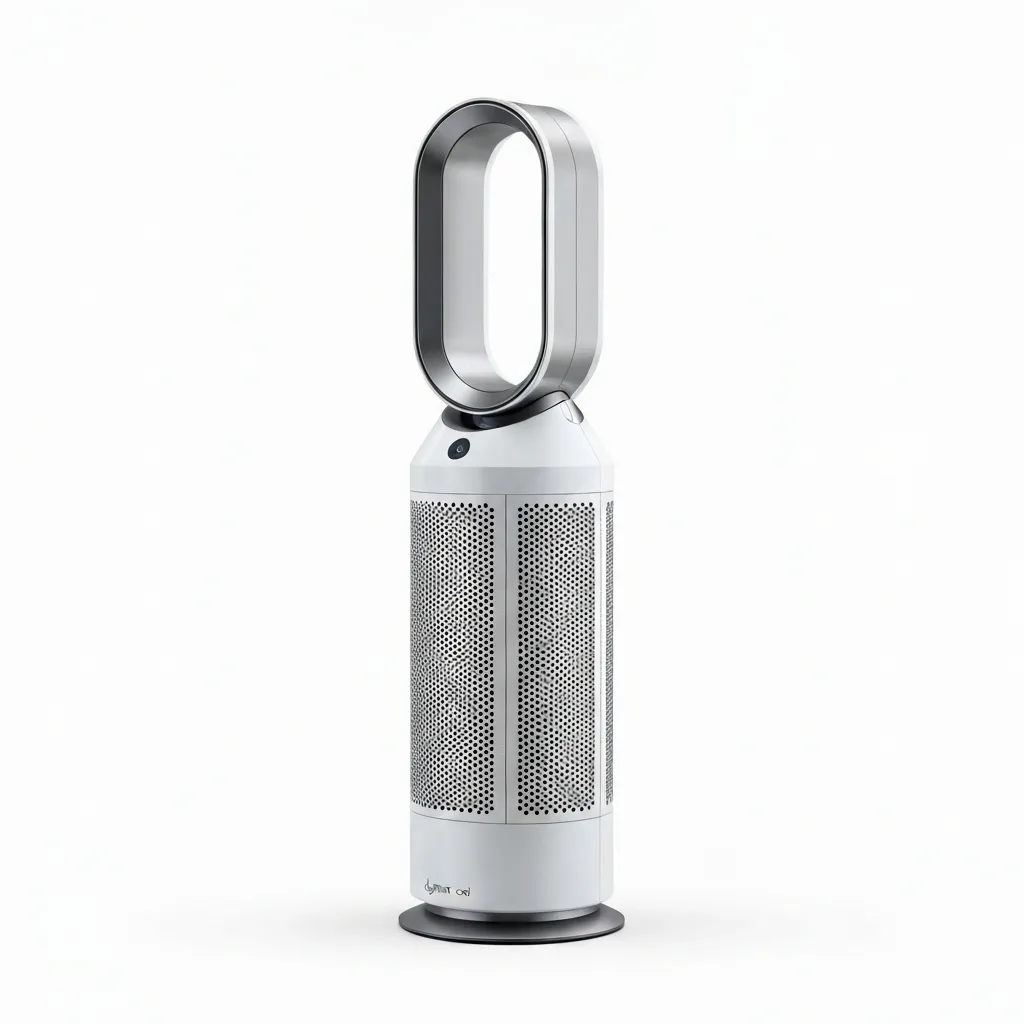
There is no denying the Dyson feels premium. The TP07 is finished in brushed metal with a seamless tower design. It looks like a piece of modern furniture and would not be out of place in a minimalist living room. The bladeless fan design is safe around children and pets.

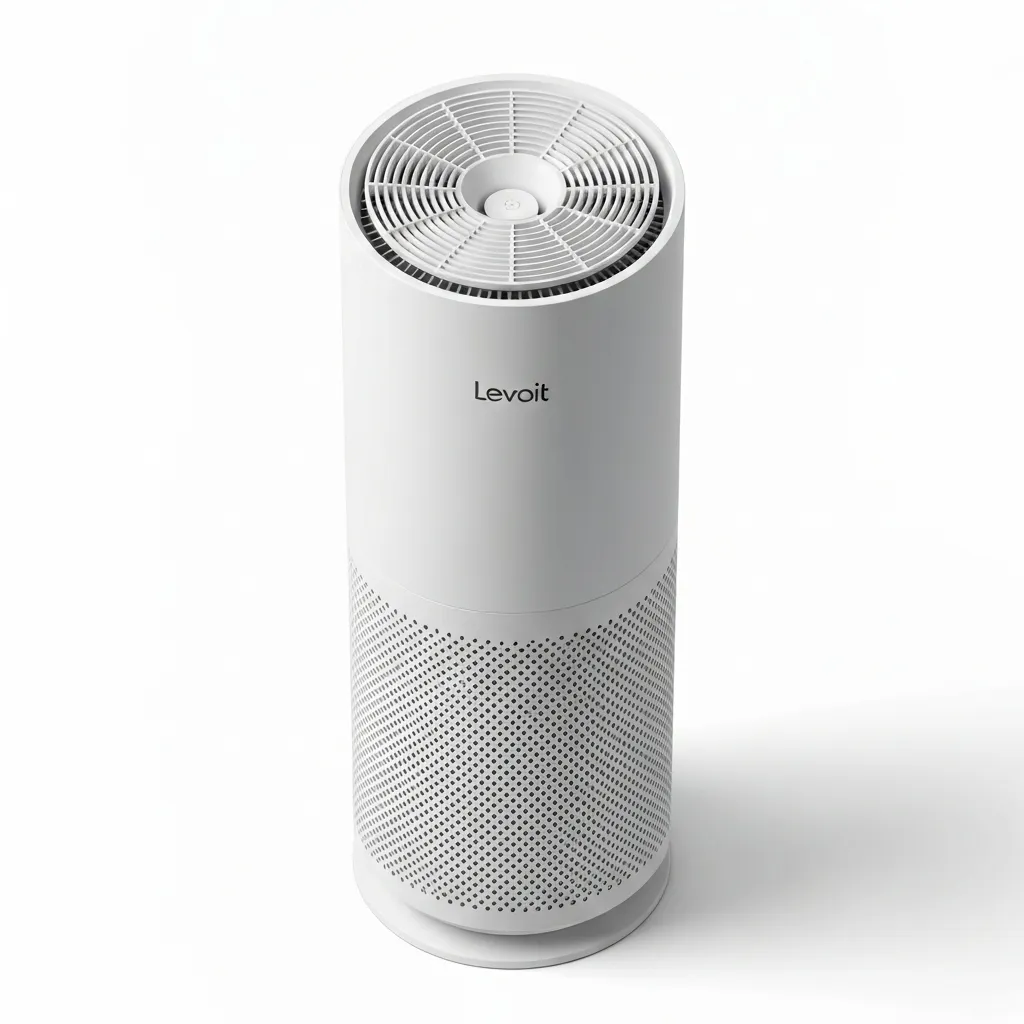
The Levoit Core 400S is made from white plastic with a cylindrical shape. It is well-built for the price, but it does not have the same visual or tactile quality. The controls are basic touch buttons on top, and the overall design is functional rather than aspirational.

If aesthetics matter in your home, the Dyson wins. If you just want clean air and plan to tuck the purifier into a corner, the Levoit does the job without fuss.

Our Verdict
Sarah's Verdict

The Levoit Core 400S is the better air purifier for most UK households. It cleans air faster, covers a larger room, runs quieter at maximum speed, costs less to buy, and costs less to run. The Dyson TP07 is worth considering only if you want the cooling fan function, the premium design, or the on-unit air quality display. For pure air purification value, the Levoit is our recommendation.

If you want to explore each brand in more detail, read our full Dyson air purifier guide and our Levoit air purifier guide. For our overall top picks across all brands, head to our best air purifiers homepage.

#1 Dyson Purifier Cool TP07 air purifier
Premium Pick

Dyson Purifier Cool TP07

4.5/10 Our Score £449
Filter Type HEPA H13 + Activated Carbon
Coverage Up to 36 m²
CADR 290 m³/h
Noise Level 27-64 dB
Air Quality 92%
Value for Money 65%
Noise Level 72%

What We Like

  • Sealed HEPA H13 filtration captures 99.97% of particles down to 0.3 microns
  • Real-time air quality display on LCD screen with PM2.5, PM10, NO2 and VOC readings
  • Doubles as a cooling fan in summer with 350 degree oscillation
  • Dyson Link app shows air quality history and allows remote scheduling

Watch Out For

  • Replacement filters cost £60 each and need changing every 12 months
  • Fan noise is noticeable above speed 5 in quiet rooms
  • Premium price is 2 to 3 times more than equally effective HEPA rivals
Sarah Mitchell's Verdict

The Dyson TP07 delivers excellent filtration with the bonus of a cooling fan. It is the best choice if you want premium build quality, real-time monitoring, and a product that does double duty in summer. However, equally effective HEPA purifiers cost half the price.

Check Price on Amazon
#2 Levoit Core 400S air purifier
Best Value

Levoit Core 400S

4.7/10 Our Score £189
Filter Type H13 HEPA + Activated Carbon + Pre-filter
Coverage Up to 83 m²
CADR 400 m³/h
Noise Level 24-52 dB
Air Quality 95%
Value for Money 95%
Noise Level 88%

What We Like

  • True H13 HEPA filter captures 99.97% of particles at 0.3 microns
  • Covers up to 83 square metres, one of the largest coverages under £200
  • Night mode runs at just 24 dB, quieter than a whisper
  • VeSync app integration with Alexa and Google Home support

Watch Out For

  • No air quality display on the unit itself, must use the app
  • Cylindrical design takes more floor space than flat panel purifiers
  • Auto mode sensor can be oversensitive to cooking steam
Sarah Mitchell's Verdict

The Levoit Core 400S offers the best performance per pound in the UK market. It matches or beats purifiers twice its price on particle removal, covers a huge area, and runs nearly silent at night. The lack of an onboard display is the only real downside.

Check Price on Amazon

Frequently Asked Questions

Q Is the Dyson TP07 worth three times the price of the Levoit Core 400S?
Only if you value the built-in cooling fan, the premium build materials, and the on-unit LCD display. In terms of pure air purification, the Levoit matches or beats the Dyson on CADR, room coverage, and noise levels. Most households will get better value from the Levoit.
Q Which purifier is quieter at night?
The Levoit Core 400S runs at 24 dB on its lowest setting, compared to 27 dB for the Dyson TP07. Both are quiet enough for sleep, but the Levoit has the edge. For context, a whisper is roughly 30 dB.
Q Can both purifiers connect to Alexa and Google Home?
The Levoit Core 400S supports both Alexa and Google Home through the VeSync app. The Dyson TP07 works with Alexa but does not support Google Home natively. Both have their own smartphone apps for scheduling and monitoring.
Q How often do the filters need replacing and what do they cost?
The Dyson TP07 filter lasts around 12 months and costs approximately £60 to replace. The Levoit Core 400S filter also lasts 6 to 12 months depending on usage and costs around £35. Over a three-year period, the Levoit saves you roughly £50 to £75 in filter costs alone.
Sarah Mitchell
Sarah Mitchell
Indoor Air Quality Specialist

Sarah has spent 6 years testing indoor air quality products in UK homes. With a background in environmental science and a focus on allergen reduction, she has tested over 35 air purifiers across all price ranges. Her reviews are based on real-world use with PM2.5 monitors and particle counters, not just manufacturer claims.

About our testing →
View Top Pick