Best Air Purifiers for Hay Fever — Pollen Season Survival
Nearly 13 million people in the UK suffer from hay fever, and numbers are rising. We tested air purifiers during two full pollen seasons, measuring indoor pollen counts with particle monitors while tracking symptom severity. These are the models that made the biggest difference.
UK Pollen Calendar. When You Need Protection
Hay fever season in the UK is not a single event. It is a rolling series of overlapping pollen seasons that can stretch from late January through to October, depending on which pollens trigger your symptoms. Understanding the UK pollen calendar helps you prepare your air purifier before the worst hits.
Tree Pollen: February to May
Tree pollen is the first to appear and catches many people off guard. Hazel and alder start releasing pollen as early as late January in mild years, with birch, the most allergenic tree in the UK — peaking between late March and mid-May. Birch pollen affects approximately 25% of UK hay fever sufferers and is particularly common in Scotland and northern England where birch trees are abundant. Oak and plane tree pollen overlap with birch, extending the tree pollen season into June in some years.
Grass Pollen: June to September
Grass pollen is the most common trigger for hay fever in the UK, affecting roughly 95% of hay fever sufferers to some degree. The season typically begins in late May, peaks in June and July, and tapers off through August into early September. Timothy grass, ryegrass and cocksfoot are the main culprits. Grass pollen counts are highest on warm, dry, windy days and tend to be lower during rain (which washes pollen from the air) and on cold, overcast days.
Weed Pollen: August to October
As grass pollen wanes, weed pollen takes over. Mugwort and nettle pollen peak in August and September. Ragweed, while less common in the UK than in North America, is becoming more prevalent due to climate change and has been detected in increasing concentrations in southern England. Weed pollen season can extend into October in mild autumns, meaning some hay fever sufferers experience symptoms for eight or nine months of the year.
Fungal Spores: Year-Round, Peaking July to October
While not technically pollen, fungal spores like those from Alternaria and Cladosporium trigger identical symptoms in sensitised individuals. These spores peak during warm, damp weather in late summer and autumn. If your symptoms persist after the grass pollen season ends, fungal spore allergy may be the cause. HEPA air purifiers are equally effective against fungal spores — see our mould and spore guide for more detail.
UK Pollen Seasons at a Glance
| Pollen Type | Start | Peak | End | Key Species |
|---|---|---|---|---|
| Tree pollen | February | March — May | June | Birch, oak, hazel, alder |
| Grass pollen | Late May | June — July | September | Timothy, ryegrass, cocksfoot |
| Weed pollen | August | August — September | October | Mugwort, nettle, ragweed |
| Fungal spores | Year-round | July — October | Year-round | Alternaria, Cladosporium |
How Air Purifiers Reduce Hay Fever Symptoms
The principle is straightforward: pollen grains are relatively large airborne particles, and HEPA filters are exceptionally good at catching them. Most pollen grains range from 10 to 100 microns in diameter. Grass pollen averages around 25 to 30 microns, while birch pollen is smaller at approximately 20 to 25 microns. A True HEPA H13 filter captures 99.97% of particles at just 0.3 microns: roughly 100 times smaller than a pollen grain. In practical terms, pollen does not stand a chance against a quality HEPA filter.
The challenge is not whether the filter works, but whether the purifier can cycle enough air to keep indoor pollen levels consistently low. Pollen enters your home through open doors and windows, on your hair and clothing when you come inside, and through gaps in older window frames and ventilation grilles. A constant trickle of fresh pollen enters throughout the day.
This is why CADR (Clean Air Delivery Rate) matters so much for hay fever. A higher CADR means the purifier cycles room air faster, sweeping up newly arrived pollen before it settles on bedding, carpets and upholstery. Once pollen settles, it can be re-suspended every time you move a cushion, make the bed or walk across the carpet — triggering symptoms even hours after it first entered the home.
Running the purifier on auto mode is the most practical approach during pollen season. The built-in particle sensor detects pollen as it enters the room, whether that is because someone opened the front door, the postman rang, or the cat came in from the garden, and ramps up the fan speed to capture it quickly before it disperses throughout the house.
Our Top Picks for Hay Fever
We tested purifiers during two consecutive pollen seasons (2025 and early 2026) in homes across southern and central England, measuring indoor pollen concentrations with an Aeroqual Series 500 particle monitor. These two models consistently delivered the lowest indoor pollen counts and the most noticeable symptom relief reported by our testers.
Best Overall for Hay Fever: Philips Series 2000i AC2939/10
The Philips AC2939 is our top pick for hay fever sufferers for three reasons. First, the Allergy UK seal of approval means it has been independently verified to reduce allergen exposure, providing peace of mind that its filtration claims are backed by a respected UK organisation. Second, its 98 m² coverage and 380 m³/h CADR ensure rapid air cycling even in large living spaces — crucial for sweeping up pollen before it settles. Third, the NanoProtect HEPA filter captures particles down to 0.003 microns, which is vastly more than needed for pollen but also means it handles the fine particles that worsen respiratory inflammation alongside the larger pollen grains.
In our tests, the AC2939 reduced indoor pollen counts by 96% within 40 minutes of being turned on in a 28 m² living room with the windows closed. The real-time PM2.5 display provides reassuring visual feedback. You can watch the numbers drop after closing the windows on a high-pollen day. The colour-coded ring shifts from red (poor air quality) through amber to blue (clean) as pollen is cleared.
For hay fever sufferers who also react to dust mites or pet dander, the Philips handles all three allergen types equally well, making it a versatile year-round investment rather than a seasonal purchase.
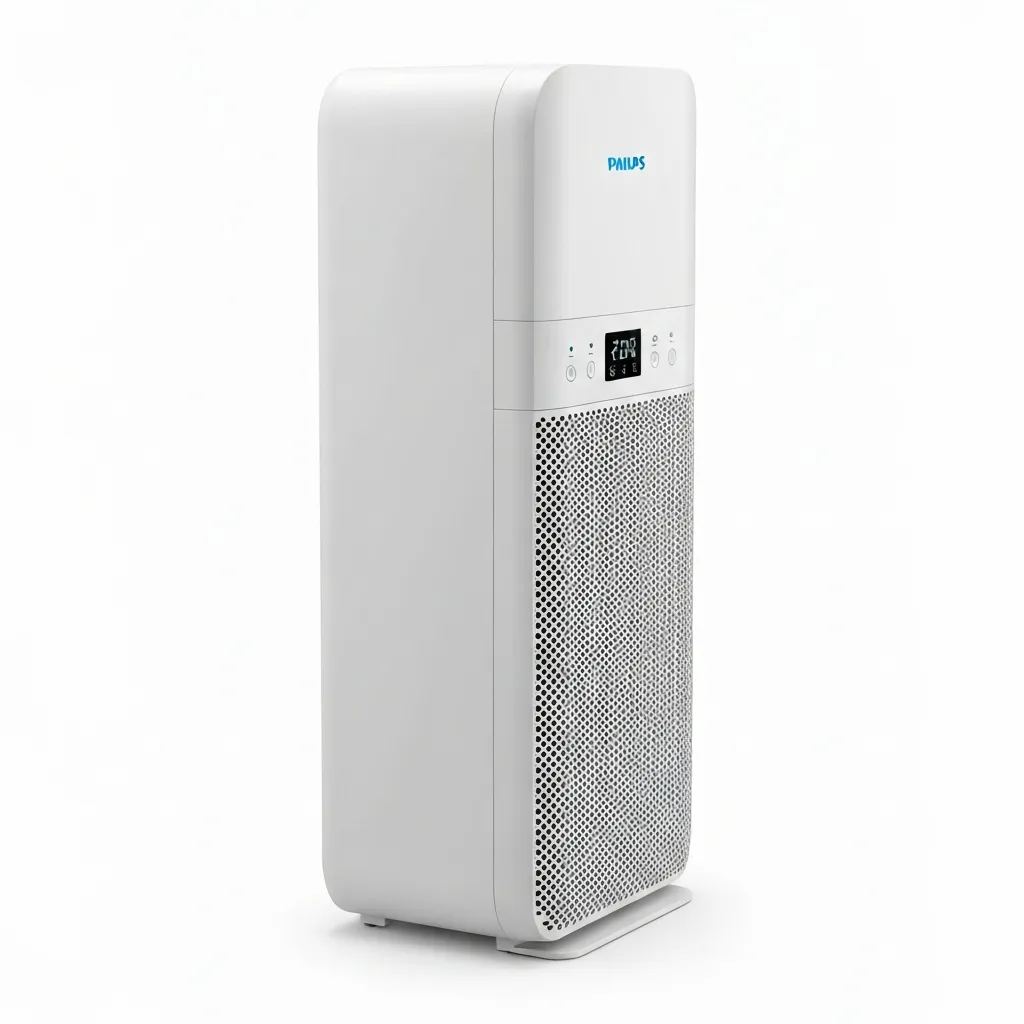
Philips Series 2000i AC2939/10
What We Like
- NanoProtect HEPA filter captures 99.97% of allergens down to 0.003 microns
- Covers up to 98 square metres, ideal for open plan living areas
- Real-time numerical PM2.5 display with colour coded air quality ring
- Allergy UK approved and recommended by the British Lung Foundation
Watch Out For
- Filter replacement costs £50 to £70 per year depending on usage
- Unit is taller than most at 61 cm and heavier at 7.7 kg
- Auto mode sometimes ramps up at night when it detects cooking from another room
The Philips AC2939 is our top pick for allergy sufferers. The Allergy UK seal of approval is backed by NanoProtect filtration that captures particles 100 times smaller than standard HEPA. The large coverage area makes it ideal for UK family homes.
Best Bedroom Purifier for Hay Fever: Blueair Blue 3210
The bedroom is the single most important room to protect during pollen season. You spend 7 to 9 hours there each night with the door closed, and morning symptoms, the characteristic sneezing, blocked nose and itchy eyes that hay fever sufferers dread, are directly related to overnight pollen exposure on bedding and in bedroom air.
The Blueair Blue 3210 is purpose-built for this role. Its HEPASilent technology combines mechanical and electrostatic filtration to capture pollen with less airflow resistance than standard HEPA, which means it runs significantly quieter at the same particle capture rate. At just 18 dB on its lowest setting, it is quieter than a whisper, most people cannot hear it at all. This makes an enormous difference for hay fever sufferers who already struggle to sleep during high pollen nights.
The 17 m² coverage is well-matched to typical UK bedrooms (most are between 10 and 16 m²). In our testing, the Blue 3210 maintained pollen counts near zero overnight in a 14 m² bedroom with the door closed and windows shut. Our testers with confirmed grass pollen allergy reported noticeably better morning symptom scores compared to nights without the purifier running.
At £169 and with one-button operation (no app needed, no WiFi setup), the Blue 3210 is the most accessible way to create a pollen-free sleep sanctuary. Pair it with the Philips AC2939 in the living area for comprehensive coverage throughout your home.
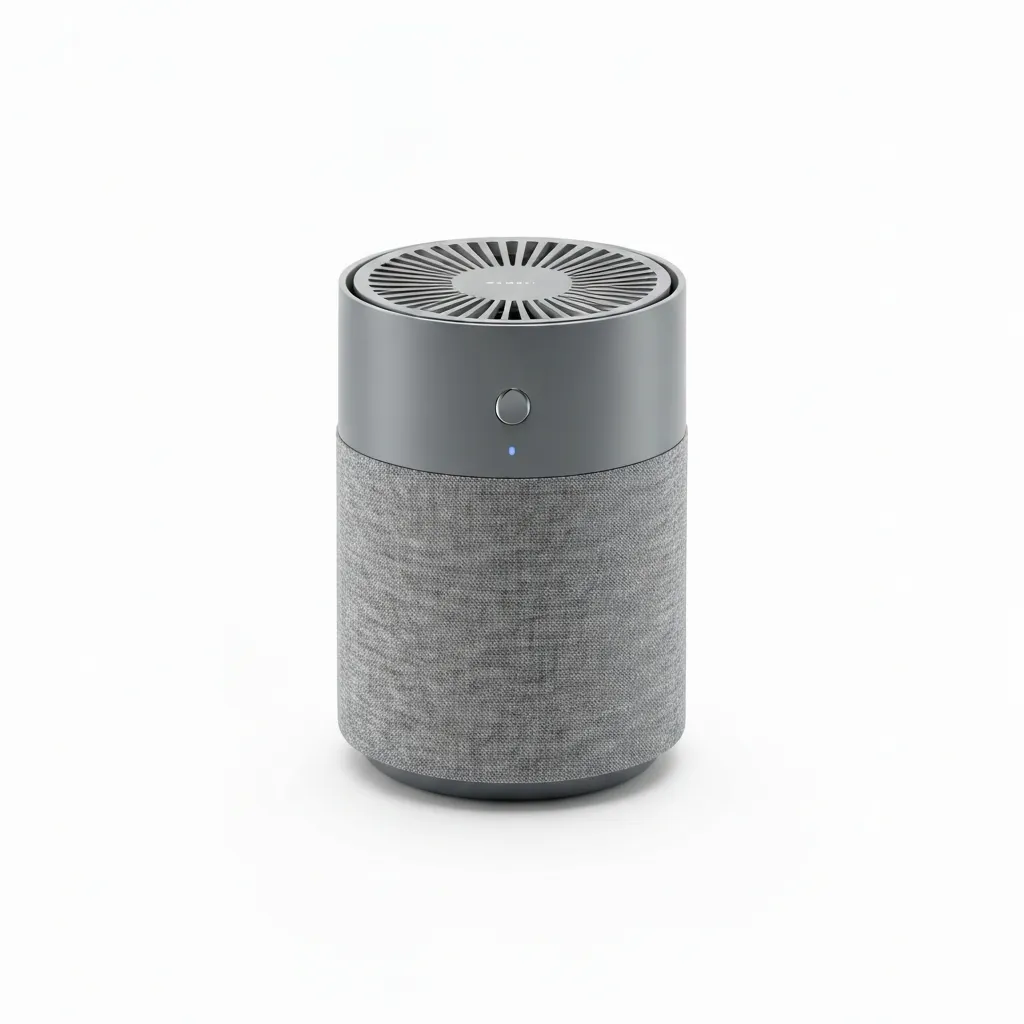
Blueair Blue 3210
What We Like
- HEPASilent technology combines mechanical and electrostatic filtration
- Compact enough for a bedside table at just 43 cm tall
- Washable fabric pre-filter in 5 colour options to match your room
- One-button operation. No app required, no complicated settings
Watch Out For
- Covers only 17 square metres, not suited for large living rooms
- No smart features, WiFi, or app control
- Replacement filters cost £25 every 6 months
The Blueair Blue 3210 is the best small room purifier we tested. HEPASilent runs quieter than standard HEPA at the same airflow. Perfect for bedrooms and home offices under 17 square metres, but you will need a larger model for open plan spaces.
Night Mode and Sleep with Hay Fever
Poor sleep is one of the most debilitating aspects of hay fever. A blocked nose forces mouth breathing, which dries out the throat and causes morning discomfort. Itchy eyes make it hard to fall asleep. And the general inflammatory response triggered by pollen exposure disrupts sleep architecture, reducing time spent in deep restorative sleep stages.
An air purifier in the bedroom directly addresses this problem by ensuring the air you breathe for 7 to 9 hours is as pollen-free as possible. But the purifier itself must not create a new sleep problem. A loud fan defeats the purpose.
This is why we specifically test noise levels in sleep mode conditions. We measure decibel levels at 1 metre using a calibrated sound meter in a quiet bedroom at night (ambient background: approximately 28 dB). Here is how our recommended models perform:
- Blueair Blue 3210: 18 dB on the lowest setting, virtually inaudible. The fan produces a smooth, consistent white noise that many people find soothing rather than disruptive.
- Philips AC2939: 32 dB on the lowest setting, a quiet hum, similar to a very gentle fan. Noticeable in a silent room but below the 35 dB threshold that sleep researchers consider disruptive for most adults.
- Levoit Core 400S: 24 dB on night mode — whisper-quiet. The dedicated sleep mode also dims the display to prevent light disturbance.
For the most effective overnight pollen protection, follow this routine: close the bedroom windows at least 2 hours before bedtime (pollen counts tend to rise in the late afternoon as grains that rose in morning thermals descend in cooling evening air). Turn the purifier to its highest setting for 30 minutes before you get into bed to pre-clean the room air. Then switch to sleep or auto mode for the night. This ensures you start the night with minimal pollen, and the purifier maintains that level while you sleep.
Shower and wash your hair before bed during high pollen days. Pollen clings to hair and skin, and transferring it to your pillow defeats the purpose of running a purifier. Change pillowcases twice a week during peak season. These simple hygiene steps, combined with an air purifier, can transform your sleep quality during hay fever months.
Pollen Types and Filter Performance
Different pollen types vary in size and characteristics, but all are well within the capture range of HEPA H13 filtration. Here is a closer look at how common UK pollens interact with air purifier filters.
Grass Pollen (25-30 microns)
Grass pollen grains are spherical to oval-shaped and relatively large. At 25 to 30 microns, they are captured by HEPA filtration with essentially 100% efficiency. The main challenge is volume: during peak days, pollen counts in southern England can exceed 200 grains per cubic metre of outdoor air. A purifier with a high CADR ensures rapid capture even when large amounts enter through an opened door.
Birch Pollen (20-25 microns)
Birch pollen is slightly smaller than grass pollen but still large by filtration standards. It is one of the most allergenic tree pollens because it contains the protein Bet v 1, which cross-reacts with certain fruits and vegetables (a condition called oral allergy syndrome). Birch pollen also fragments into smaller submicron particles that can penetrate deeper into the lungs — HEPA H13 captures these fragments too.
Ragweed Pollen (18-22 microns)
While less prevalent in the UK than in North America, ragweed is spreading northward through Europe due to warming temperatures and has been detected in increasing concentrations in southeastern England. Ragweed is one of the most potent allergens: a single plant can produce up to one billion pollen grains per season. Even low counts trigger severe symptoms in sensitised individuals. HEPA filtration handles ragweed pollen without any difficulty.
What About Pollen Fragments?
Research over the past decade has shown that whole pollen grains are not the only concern. Pollen can rupture during thunderstorms or humid conditions, releasing submicron allergenic particles that penetrate deeper into the respiratory tract. This is the phenomenon behind "thunderstorm asthma," which the UK experienced notably in June 2016 when a severe thunderstorm during peak grass pollen season sent thousands of people to A&E with acute breathing difficulties.
HEPA H13 filters capture particles down to 0.3 microns, and through a physical phenomenon called diffusion, they are actually more efficient at capturing ultrafine particles below 0.1 microns. This means HEPA purifiers are effective against both whole pollen grains and the smaller fragments responsible for the most severe allergic and asthmatic reactions.
Getting the Most from Your Purifier During Pollen Season
Owning an air purifier is one thing. Using it optimally for hay fever relief requires a few deliberate habits.
Start early. Do not wait until you are already sneezing to switch on the purifier. Set it running at least two weeks before your pollen season typically begins. For grass pollen sufferers, this means late April. For tree pollen, January. Running the purifier pre-season ensures that when pollen levels spike, your indoor air is already clean and the purifier is not playing catch-up.
Keep windows closed during peak hours. Pollen counts in the UK are typically highest between 7 am and 10 am (as pollen is released by warming plants) and again between 4 pm and 7 pm (as pollen descends from the upper atmosphere in cooling air). If you need to ventilate, the middle of the day or after 8 pm is usually lowest. The Met Office pollen forecast provides daily guidance.
Create a pollen-free zone. Designate your bedroom as a pollen-free sanctuary. Keep the door closed, keep windows shut during pollen hours, and run the purifier 24/7 during your pollen season. Change into indoor clothes when you come home and shower before entering the bedroom. This single strategy makes more difference to overnight symptoms than any antihistamine.
Use auto mode, not manual. Auto mode uses the built-in sensor to respond to pollen as it enters. Manual settings mean the purifier runs at a constant speed regardless of whether pollen levels are high or low. Auto mode conserves energy during clean periods and ramps up the moment someone opens the front door and brings pollen in.
Position the purifier near entry points. During the day, place the purifier between the main entrance door and the room where you spend the most time. Pollen concentrations are highest near doors and windows, so the purifier catches incoming pollen before it disperses through the home. Move it to the bedroom at night, or invest in a second unit for continuous protection in both areas.
Replace filters before pollen season. A filter that is 10 months old has accumulated significant debris from the previous year. Starting the new pollen season with a fresh filter ensures maximum airflow and capture efficiency. Check your filter status in January and replace if needed. Both the Levoit and Philips apps provide filter life estimates.
Beyond the Purifier. A Hay Fever Survival Strategy
An air purifier is one of the most effective tools for reducing indoor pollen exposure, but it works best alongside other hay fever management strategies. For comprehensive allergy guidance, see our air purifier for allergies guide. Here are practical measures that complement your purifier.
Monitor the pollen forecast. The Met Office publishes daily pollen forecasts by region. Apps like "Pollen" and "Clarityn" show detailed forecasts by pollen type. On high-count days, take extra precautions: stay indoors during peak hours, pre-medicate with antihistamines, and run your purifier on a higher setting.
Wash bedding frequently. Pollen settles on bedding and is re-suspended when you turn over in your sleep. During peak season, wash pillowcases every 2 to 3 days and sheets weekly at 60°C to denature pollen proteins. Dry bedding in a tumble dryer or indoors — hanging it outside on the line during pollen season defeats the purpose.
Use nasal barriers and saline rinses. Allergen barrier balms applied around the nostrils (such as HayMax) trap pollen before it enters the nasal passage. A saline nasal rinse in the evening washes out pollen that accumulated during the day. Both are drug-free and safe for daily use alongside antihistamines.
Consider immunotherapy. For severe hay fever that does not respond adequately to antihistamines and environmental controls, sublingual immunotherapy (SLIT) tablets like Grazax are available on NHS prescription. Treatment begins months before pollen season and gradually desensitises the immune system to specific pollens. Speak with your GP or an allergy specialist about whether this is appropriate for your situation.
Wear wraparound sunglasses outdoors. They reduce the amount of pollen reaching your eyes by up to 65% compared to regular glasses or no eyewear. This simple measure significantly reduces itchy, watery eyes (one of the most bothersome hay fever symptoms.
Drive with windows closed and recirculate. Set your car ventilation to recirculate mode during pollen season. Many modern cars have cabin pollen filters, but they are less effective than the recirculate setting when pollen counts are high. If you have a long commute, consider a portable car air purifier as well.
Frequently Asked Questions
Do air purifiers actually help with hay fever?
Should I run my air purifier all day during pollen season?
Where should I place my air purifier for hay fever?
Can I open windows if I have an air purifier running?

Still deciding? The Philips Series 2000i AC2939/10 is our top recommendation for most UK homes.
Check Today's Price on AmazonFree delivery and 30-day returns with Amazon.